 ST. MARTIN:--- As part of the 2026 St. Martin Book Fair, residents from across the island gathered at the University of St. Martin on June 6 for a community session entitled “Soualigans, We Need You,” where they worked collectively to develop an Environmental Justice Statement for St. Martin.
Rather than attending a traditional presentation, participants were invited to contribute directly to the development of the statement. Through a facilitated process, residents responded to three questions: What do we love? What are we losing? What do we want? Every response was recorded, discussed, and prioritized ensuring that each participant had an equal voice in determining the final outcome.
The resulting statement begins with a clear declaration: “Soualiga – St. Martin – is our home, our inheritance, and our responsibility.” It recognizes that the island’s natural environment is not separate from its future development but forms the foundation of its health, culture, economy, and resilience. The statement is organized around four themes: what residents believe, what they are losing, what they demand, and what they commit to protecting.
Throughout the discussion, participants expressed concern about the continued loss of natural and cultural landmarks across the island. Residents reflected on the disappearance or degradation of places such as the old scenic road to Point Blanche, Flamingo Pond, the wetland at Dawn Beach, and many of the mature trees that once defined the landscape. Concerns were also raised about the pace of hillside and high-rise development and the limited environmental safeguards currently in place.
Participants highlighted that Sint Maarten remains the only jurisdiction within the Dutch Caribbean that does not require environmental and social impact assessments for major developments. They also noted that existing policies intended to protect beaches, hillsides, and significant trees often remain unenforced.
Water security emerged as one of the strongest themes of the day. Residents reflected on the loss of public freshwater springs and the increasing dependence on purchased drinking water despite living on a tropical island. Participants also recalled that during Hurricane Irma, many households relied on traditional wells when centralized water systems failed. As a result, the statement calls for the identification, protection, restoration, and sustainable management of the island’s springs, wells, and freshwater resources.
The statement outlines eight key demands directed to decision-makers on both the Dutch and French sides of the island. These include strengthening and enforcing environmental protections for beaches, hillsides, and trees; introducing mandatory environmental and social impact assessments on the Dutch side; establishing a protected national park; creating formal mechanisms for community participation in decision-making; safeguarding freshwater resources; strengthening cross-border cooperation on shared ecosystems and sargassum management; expanding environmental and cultural education in schools; and developing sustainable financing mechanisms that support both conservation and local communities.
A recurring message throughout the session was the importance of meaningful public participation. Participants emphasized that residents must be included in decisions affecting the future of the island and that local knowledge should be recognized as an essential part of environmental planning and conservation.
The statement concludes with a commitment to future generations: “The Soualiga we protect today is the Soualiga our grandchildren will inherit.”
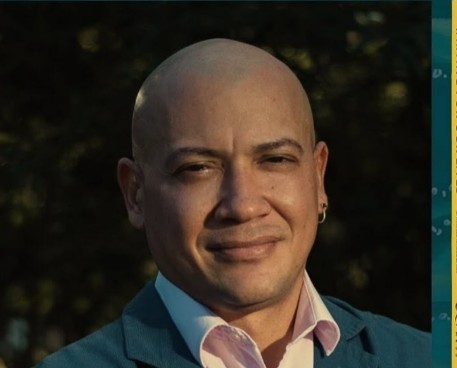
The session, which formed part of the 2026 St. Martin Book Fair programme, was facilitated by Tadzio Bervoets, Chair of the UNESCO Ocean Decade Task Force for Latin America and the Caribbean, environmental management specialist, and co-founder of the Caribbean Shark Coalition. The final statement will be shared with government representatives, institutions, and stakeholders across the island.