~Draft reached Parliament on June 11; Central Committee stretched across June and July as final Government answers arrived August 14.~
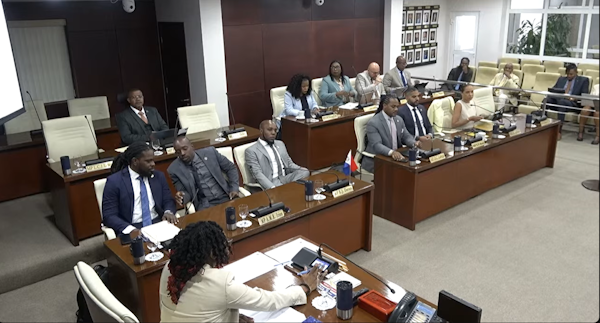 PHILIPSBURG:--- Sint Maarten entered the decisive public parliamentary debate on its 2026 National Budget on August 20—more than seven and a half months into the financial year the budget is supposed to govern.
Chairperson of Parliament Sarah Wescot-Williams laid out the timeline Thursday as the Council of Ministers appeared before Parliament for the public budget meeting.
Parliament received the draft National Ordinance establishing the country's 2026 Budget on June 11, 2026.
The Central Committee subsequently considered the draft during meetings held on June 26, June 29 and July 6.
During those meetings, MPs submitted their questions, after which the final report containing Parliament's deliberations, questions and comments was transmitted to Government for answers.
The government's formal response—the Nota naar aanleiding van het Eindverslag—was dated August 14, according to Wescot-Williams.
Six days later, Parliament began the public meeting on the Budget.
Thousands of Questions Before Parliament
The sheer volume of scrutiny became evident before the substantive debate even started.
MP Dimar Labega referred to more than 2,500 questions and a budget package running 1,339 pages, thanking civil servants and ministerial cabinets for processing the enormous workload.
MP Franklin Meyers similarly cited approximately 2,500 questions and roughly 1,300 pages of Government responses while arguing that MPs' speaking time should be reduced.
But the late stage at which the public debate is taking place raises a different issue.
By August 20, Government has already operated for more than seven months of the fiscal year.
Parliament is therefore being asked to scrutinize and approve a budget covering spending and revenue for a year that is already well advanced.
That reality should make the debate less about theoretical projections and considerably more about actual 2026 execution.
MPs now have grounds to demand not only what each ministry originally planned to spend, but what has actually been committed and spent through August; which projects have started; which remain stalled; whether projected revenue is materializing; and whether appropriations that looked realistic when the budget was drafted remain realistic with fewer than five months left in the year.
The timing also places additional importance on the answers ministers provide during the public meeting.
This is no longer simply a debate over what Government intends to do in 2026.
It is August 20. Parliament can now ask what Government has actually done.