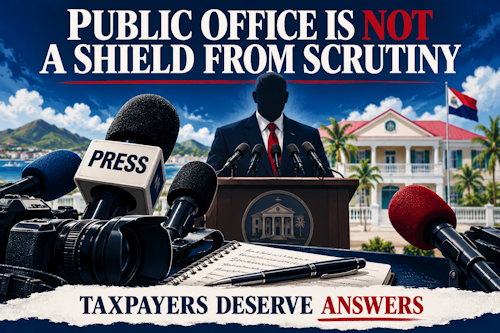
 Respecting public officials does not mean sparing them difficult questions. Taxpayers pay their salaries. They are entitled to examine their performance, challenge their explanations, and demand evidence of results.
When politicians label criticism a “personal attack,” the public should ask whether they're using that label to avoid legitimate scrutiny. Discomfort with questioning is no excuse for evading accountability.
Threats and personal abuse deserve condemnation. But questions about broken promises, delayed legislation, public spending and inadequate services are legitimate public business—even when they are persistent, pointed and politically embarrassing.
The media is the Fourth Estate. Its responsibility is to scrutinize power, investigate failures and give the public information that official publicity leaves out. It does not need political approval to do that.
To every politician collecting taxpayers’ money: show the public what its money has purchased. Identify the legislation you have advanced, the policies you have implemented, the problems you have resolved, and the measurable improvements residents can see. Where promises remain unfulfilled, explain why and provide deadlines.
Press releases, photographs and speeches cannot substitute for delivery. Neither can complaints about the tone of the people asking where the results are.
Journalists must get their facts right, correct errors and distinguish evidence from opinion. Public officials must answer legitimate questions, including from their sharpest critics. Both responsibilities matter.
Public officials may challenge inaccurate reporting and reject insults. Neither should become a pretext for withholding answers owed to the public.
Taxpayers fund public service. They deserve results, transparency, and accountability—and a press free to demand all three.