Finance Minister Marinka Gumbs and TEATT Minister Grisha Heyliger-Marten face growing pressure to ensure overseas property owners contribute their fair share to Sint Maarten's economy.
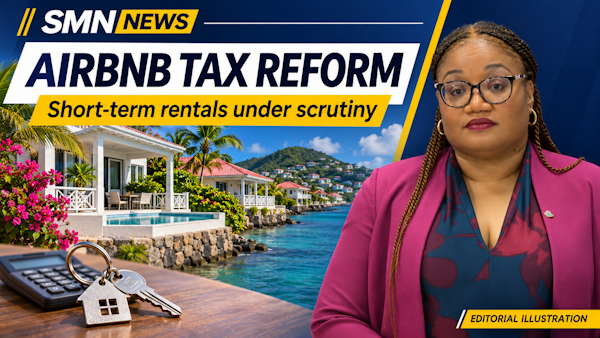 PHILIPSBURG:--- The Government of Sint Maarten is pursuing changes to its accommodation tax legislation that could significantly affect Airbnb operators, vacation rental businesses, online booking platforms and overseas property owners generating income from tourist accommodations on the island.
The proposed reforms aim to modernize the country's taxation framework, strengthen revenue collection, and create greater equality between traditional hotels and the expanding short-term vacation rental industry.
During recent parliamentary budget deliberations, Finance Minister Marinka Gumbs said the proposed legislative amendments fall under the responsibility of the Ministry of Tourism, Economic Affairs, Transport and Telecommunication (TEATT), with fiscal input required from the Ministry of Finance.
Overseas Property Owners in Focus
One major issue confronting the government is effectively collecting taxes from overseas property owners who generate income through vacation rentals in Sint Maarten.
The expansion of online booking platforms has transformed the tourism accommodation industry, enabling property owners to market villas, condominiums, apartments and privately owned residences directly to international travelers.
This development raises important questions about tax compliance, revenue collection and the government's ability to monitor commercial activity.
Traditional hotels operate within an established regulatory and taxation framework. The proposed reforms seek to bring comparable short-term tourist accommodations within a modernized system.
Airbnb and Booking.com Could Collect Taxes Directly
The draft legislation contemplates authorizing the Minister of Finance to enter into tax collection agreements with international booking platforms and accommodation intermediaries.
Such arrangements could involve platforms collecting applicable accommodation taxes from guests and remitting the revenue directly to the government.
The government is also considering stronger monitoring mechanisms to identify properties advertised online and improve compliance among property owners living abroad.
Questions Surround Proposed Tax Increases
Parliament has also discussed proposed increases to the existing accommodation tax.
However, the legislation remains subject to legal review, advisory procedures and parliamentary approval. The final applicable rates and implementation timeline must still be established.
The government must also consider the potential impact on smaller local property owners who depend on rental income to meet mortgage payments, maintenance expenses and other financial obligations.
Sint Maarten Must Benefit from Its Tourism Industry
Visitors staying in short-term accommodations utilize the country's roads, public infrastructure, emergency services and other essential facilities.
Ensuring that tourism-related businesses contribute appropriately to public revenue remains an important economic consideration, particularly as the government faces increasing expenditure demands.
The proposed reforms also raise several questions that the Ministries of Finance and TEATT should address.
- How many short-term vacation rental properties are currently operating in Sint Maarten?
- How much accommodation tax revenue is currently being collected from these properties?
- How effectively are overseas property owners complying with their existing tax obligations?
- Will international booking platforms be required to collect and remit taxes directly?
- Will locally owned small-scale rental accommodations receive any specific consideration?
- When will the government submit the completed legislation to Parliament?
As Sint Maarten seeks additional sources of government revenue, the growing vacation rental industry represents an important area for regulatory reform.
The challenge facing the government will be establishing a fair and enforceable system that protects local entrepreneurship, maintains tourism competitiveness, and ensures that commercial activity contributes to the country's development.