 PHILIPSBURG (DCOMM):--- The Collective Prevention Service (CPS) has taken note of a communique from the Anguilla Ministry of Health, Tourism & Sports with respect to the first locally acquired case of the West Nile Virus that has been identified in Anguilla in a 25-year-old resident.
As mentioned in the communique, there has been evidence of the virus circulating among birds, horses, and mosquitoes across the Caribbean since the early 2000s.
CPS has no reported cases of West Nile Virus and will continue to monitor the situation closely. The department uses this as an opportunity to remind the Sint Maarten community to inspect property for potential mosquito breeding sites, which can transmit other diseases such as Chikungunya, Zika, and Dengue.
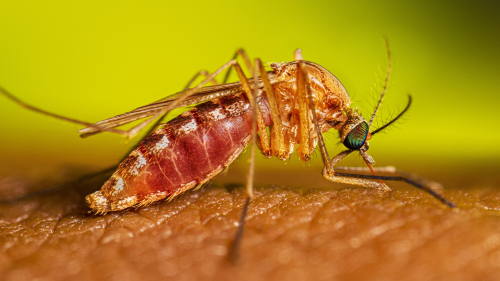
The virus is most commonly transmitted by the bite of an infected mosquito that has previously fed on infected birds, which serve as the virus's primary carriers in nature.
While many people infected with West Nile virus may not develop symptoms, CPS emphasizes the importance of prevention and awareness to reduce the risk of infection.
In humans, West Nile virus can cause symptoms ranging from mild to severe. Most individuals who become infected may experience no symptoms at all. However, about 1 in 5 people may develop a mild illness known as West Nile fever, which can include symptoms such as fever, headache, body aches, fatigue, nausea, or a skin rash. These symptoms typically appear within a few days to two weeks after being bitten by an infected mosquito.
In rare cases, the virus can lead to more serious neurological illness, including inflammation of the brain (encephalitis) or the membranes surrounding the brain and spinal cord (meningitis).
Severe symptoms may include high fever, neck stiffness, confusion, muscle weakness, tremors, seizures, or paralysis. Older adults and individuals with weakened immune systems are at greater risk of developing severe complications.
CPS stresses that preventing mosquito bites is the most effective way to reduce the risk of West Nile virus infection. Residents are encouraged to use insect repellents containing approved active ingredients, wear long-sleeved clothing when outdoors, and ensure that doors and windows are properly screened to keep mosquitoes out of homes.
Another key preventive measure is eliminating standing water where mosquitoes can breed. Mosquitoes can lay eggs in small amounts of stagnant water found in containers such as buckets, flowerpots, tires, clogged gutters, or water storage containers. Residents are encouraged to check their yards regularly, especially after rainfall, to remove or empty any items that may collect water.
CPS will continue to monitor mosquito activity and provide guidance to the community. Residents who experience symptoms associated with West Nile virus, especially severe headaches, high fever, or neurological symptoms, are advised to seek medical attention promptly.
To report any concerns with mosquito breeding or for any assistance, contact CPS’ vector control team by phone +1(721) 520-4161, 542-1222/1570, or 914.
Vector control can also be contacted by email at: This email address is being protected from spambots. You need JavaScript enabled to view it.