






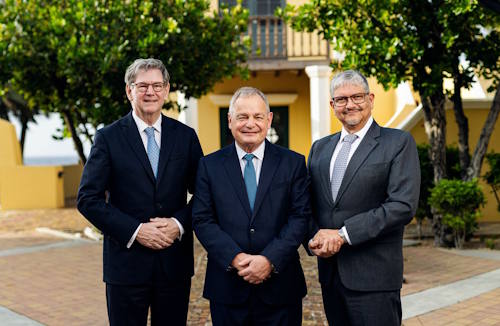
 Kralendijk:--- With its revised 2027 draft budget, adjusted after the Cft decided to abstain from issuing a judgment, Bonaire has taken a step forward. However, concerns about the financial feasibility of the plans remain, according to a statement from the Board of Financial Supervision of Bonaire, Sint Eustatius and Saba (Cft), issued after a working visit to the island on October 26. The Cft spoke to the Executive Council about the 2027 draft budget and strengthening the financial organization.
Cash resources may hinder investments
The Public Entity Bonaire has several upcoming projects requiring significant expenditure. Through 2028, Selibon requires approximately USD 26 million in liquidity support. Furthermore, co-financing contributions are needed for projects under the Regio Deal, educational institution housing, and infrastructure. It appears that not all these expenses are included in the financial budget. This also makes it difficult to assess the liquid resources, which are already limited. These liquid resources are needed to actually execute important investments.
Financial organization: integrated and safeguarded
The Executive Council presented measures to enhance the financial organization, including a gap analysis, a fixed Planning & Control cycle, and controllers at the Directorates. The Island Governor also mentioned the gap analysis in his letter to the Secretary of State as a measure to enhance the Public Entity's organizational and executive capacity. The Cft applauds these developments. In view of the upcoming elections, it is essential to permanently safeguard these improvements so the next Executive Council can continue to build on them. As an active stakeholder, the Cft will continue to monitor these developments closely.
Tourism
The Cft also spoke to TCB, Bonhata and Stinapa. Tourism represents approximately half of Bonaire’s economy and is therefore an important pillar of healthy, sustainable public finances. The Cft encourages Bonaire to develop a multiannual tourism vision and link an investment agenda to it, so the island remains attractive to future visitors. By attracting more tourists from the Western Hemisphere, tourism expands, and the low-season downturn is reduced, helping revenue remain consistent in the long term.