PHILIPSBURG: --- Leadership, Legacy and the Future of Toastmasters in Sint Maarten and the Northeastern Caribbean. The Toastmasters community across Sint Maarten/St. Martin, Anguilla, Martinique, St. Kitts, Grand Turks and St. Eustatius is celebrating a significant milestone with the election of Distinguished Toastmaster Donna Morrison Wilson (DTM) as Director of Division D, District 223, for the 2026–2027 Toastmasters year.
Her election marks an important moment not only for Division D but also for the newly established District 223, ushering in a new chapter of leadership, collaboration and service throughout the northeastern Caribbean.
A respected communicator, accomplished leader and dedicated Toastmaster, DTM Donna Morrison Wilson brings years of experience in mentoring members, strengthening clubs and fostering leadership excellence. Her election reflects the confidence that fellow Toastmasters have placed in her vision to support clubs, develop future leaders and continue building vibrant, high-performing Toastmasters communities throughout Division D.
A New Chapter: From District 81 to District 223. The beginning of the 2026–2027 Toastmasters year also marks the official transition from the long-serving District 81 to the newly created District 223. For more than two decades, District 81 united clubs across numerous Caribbean territories, becoming a model of regional cooperation, cultural diversity and leadership development. The creation of District 223 is part of Toastmasters International's periodic district realignment process, designed to strengthen organizational effectiveness, provide greater leadership support and position clubs for sustained growth. Far more than an administrative change, the formation of District 223 represents fresh opportunities for innovation, stronger collaboration among clubs and expanded leadership opportunities for members throughout the region.
Donna Morrison Wilson's election continues Sint Maarten's remarkable legacy of producing exceptional district leaders whose influence has extended well beyond the island. Among those distinguished leaders are Past District Governors (PDG) Rolando Tobias, DTM, Valerie Brazier, DTM, and Past District Director (PDD) Brenda Maynard, DTM, whose exemplary service highlighted their leadership of District 81. Their achievements remain a source of tremendous pride for Toastmasters throughout Sint Maarten. Also, their visionary leadership helped strengthen clubs, inspire countless members, and establish standards of excellence that continue to guide Toastmasters throughout the Caribbean today.
Together, Distinguished Toastmasters Rolande Tobias, Valerie Brazier and Brenda Maynard have left an enduring legacy of servant leadership, demonstrating that members from Sint Maarten can successfully lead one of the region's largest volunteer leadership organizations while inspiring excellence across multiple island nations. Donna Morrison Wilson now proudly builds upon that foundation, representing another generation of outstanding leadership emerging from Sint Maarten.
For more than a century, Toastmasters International has empowered individuals to become confident communicators and effective leaders through its structured educational program. Across Sint Maarten, Toastmasters has quietly transformed the lives of entrepreneurs, educators, civil servants, business executives, community leaders and young professionals. Members consistently credit the organization with helping them overcome the fear of public speaking, develop leadership skills and gain the confidence needed to excel in their careers and communities. Beyond improving public speaking, Toastmasters offers practical opportunities to lead teams, organize events, mentor fellow members, and serve at the club, area, division, and district levels. The organization also fosters lifelong friendships and professional networks that span cultures and countries.
As Division D begins its journey within District 223 under the leadership of DTM Donna Morrison Wilson, the future looks exceptionally bright.
This new position represents more than a personal achievement; it reflects the continued confidence in Sint Maarten's ability to produce leaders who serve with excellence throughout the Caribbean. With the solid foundation established by our Past District Leaders, Division D is well positioned to strengthen existing clubs, charter new ones, mentor emerging leaders, and inspire a new generation of confident communicators. Along with her support team and Area Directors, Division D will grow into a thriving division.
In today's rapidly changing world, effective communication and principled leadership are among the most valuable skills anyone can possess. Whether aspiring to become a better speaker, a stronger leader, a more effective professional, or a more engaged member of the community, Toastmasters provides a welcoming environment where individuals can grow at their own pace while receiving constructive support from fellow members.
As District 223 begins this exciting new chapter, there has never been a better time to join Toastmasters in Sint Maarten and across Division D. With dedicated leaders like Division D Director DTM Donna Morrison Wilson at the helm and the enduring legacy of distinguished leaders who have gone before her, Toastmasters continues to demonstrate that when individuals improve their communication, they strengthen their leadership—and when leadership grows, stronger communities inevitably follow. Interesting being part of this growing organization; feel free to contact us at Phone/WhatsApp: 1721 523-0901 or our Facebook Page: Division D, District 223.






 PHILIPSBURG:---The Police Force of Sint Maarten (KPSM) is investigating a serious incident that occurred during the early morning hours of Tuesday, June 30, 2026, in the Cole Bay area, during which police officers came under gunfire while responding to a report of an attempted theft.
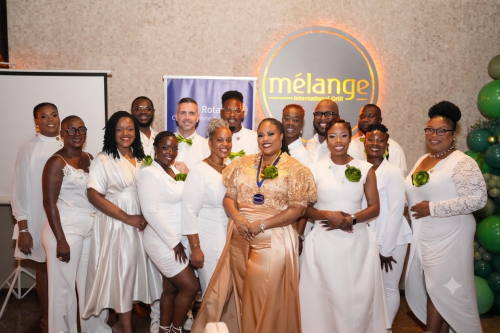 PHILIPSBURG:--- The Rotary Club of St. Martin Sunset celebrated an evening of inspiration, recognition, fellowship, and new beginnings at its annual Change of Board Ceremony held on June 20, 2026, at Mélange, Port de Plaisance. The elegant "50 Shades of Green"- themed event marked the conclusion of President Alex Pierre's successful Rotary year and the installation of President Jade Maccow for the 2026–2027 Rotary year.
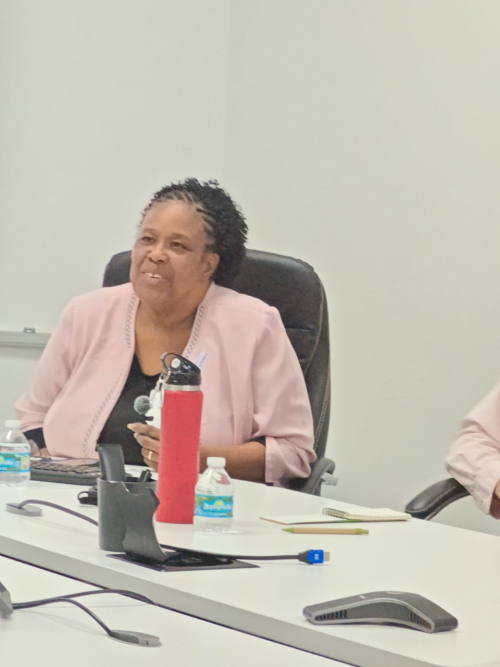 PHILIPSBURG:--- At NV GEBE, we know that rebuilding trust begins with open, honest, and consistent communication. Today, Tuesday, June 30, we want to reaffirm our commitment to communicating directly with our customers as we continue working together toward a stronger relationship and a brighter future for our community.
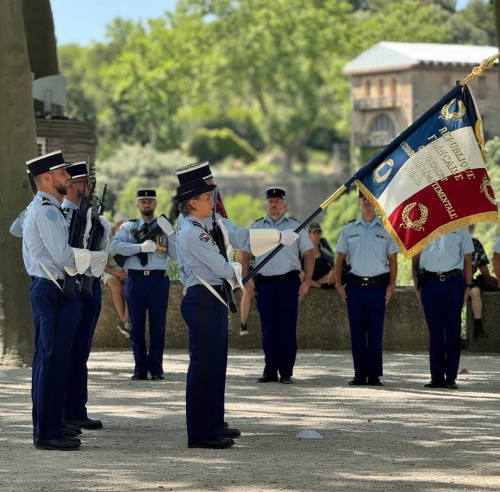 MARIGOT: --- The French Gendarmerie, in partnership with the Association of the Cadets of the Gendarmerie of Saint-Barthélemy and Saint-Martin, has officially launched recruitment for its 2026 Cadet Promotion, offering young people between the ages of 16 and 18 a unique opportunity to learn about law enforcement, public service, and civic responsibility.